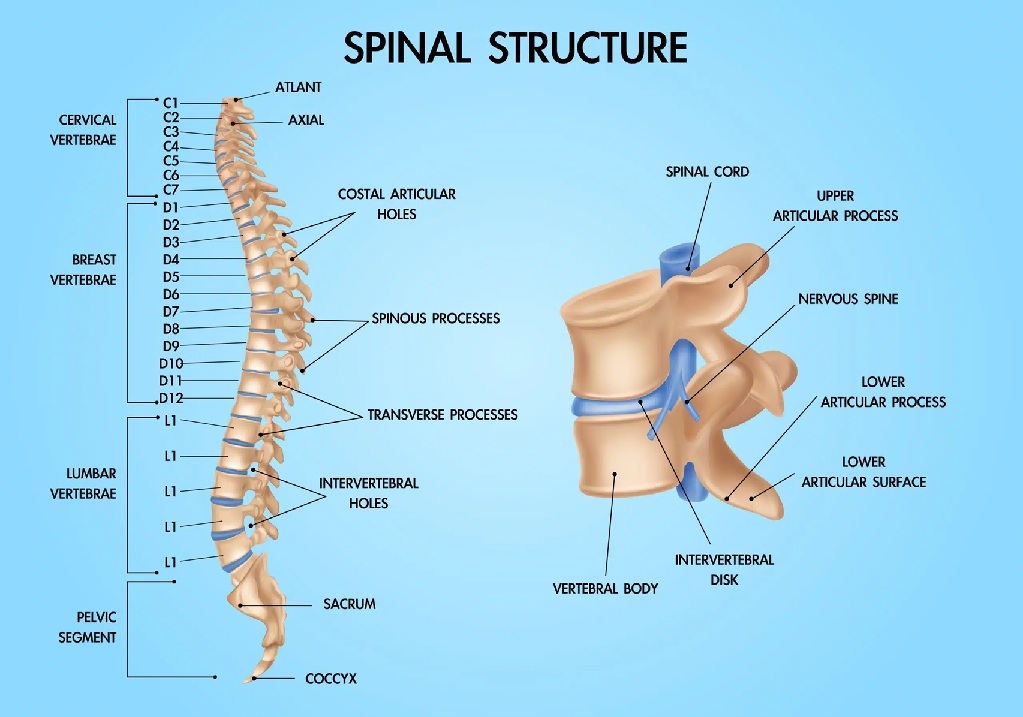

A fractured vertebra, or vertebral fracture, is a serious spinal injury that can dramatically affect your mobility, posture, and overall quality of life. These fractures often occur due to trauma, accidents, osteoporosis, or other spinal conditions. Thankfully, modern fractured vertebrae treatment options—ranging from conservative care to minimally invasive spine surgery—offer effective relief and long-term stability.
What Is a Fractured Vertebra?
A fractured vertebra occurs when one or more spinal bones crack, collapse, or shift out of position. Depending on the severity, these injuries can be mild and stable or severe enough to threaten spinal cord function.
Common types of spinal fractures include:
- Compression fractures: Usually linked to osteoporosis, where the bone collapses due to reduced strength.
- Burst fractures: Caused by high-impact trauma such as car accidents or falls, leading to bone fragments spreading through the spine.
- Flexion-distraction fractures: Often result from sudden forward bending forces, typically seen in vehicle collisions.
- Fracture-dislocations: Severe injuries where vertebrae break and move out of alignment.
Understanding the exact type of fracture helps determine the most effective spine injury treatment approach.
What Causes Vertebral Fractures?
Several factors can contribute to a fractured vertebra, including:
- Osteoporosis: The most common cause, as weakened bones can collapse even under normal stress.
- Trauma or accidents: Falls, sports injuries, or collisions can exert sudden force on the spine.
- Spinal tumors: Cancers that spread to the spine weaken bone structure, increasing fracture risk.
- Degenerative spine conditions: Long-term wear and tear can make vertebrae fragile and prone to injury.
Recognizing Vertebral Fracture Symptoms
Identifying vertebral fracture symptoms early can make a big difference in preventing long-term complications. Common signs include:
- Sudden, sharp back pain after movement or injury
- Pain that worsens when standing or walking, but eases when lying down
- Loss of height or a hunched posture (especially in osteoporosis-related fractures)
- Numbness, tingling, or weakness if nerves are affected
- Limited mobility or stiffness in the back
Left untreated, a fractured vertebra can lead to chronic pain, spinal deformity, and even nerve damage.
Diagnosing a Fractured Vertebra
Accurate diagnosis is the foundation of successful spine fracture treatment. A specialist typically conducts a physical exam followed by imaging tests such as:
- X-rays: Show bone damage and spinal alignment.
- MRI scans: Reveal soft tissue and nerve involvement.
- CT scans: Provide detailed images to assess fracture patterns and severity.
Early diagnosis ensures timely and appropriate treatment to avoid complications.
Fractured Vertebrae Treatment Options
The best fractured vertebrae treatment depends on the severity and cause of the injury.
Non-surgical treatments often include:
- Pain management with medication
- Spinal bracing to limit movement and promote healing
- Physical therapy to restore strength and flexibility
For patients not responding to conservative care, minimally invasive spine surgery may be recommended. The two most common procedures are:
- Vertebroplasty: Bone cement is injected into the fractured vertebra to stabilize it.
- Kyphoplasty: A small balloon is inserted to restore height before the bone cement is added.
In severe cases involving spinal instability or nerve compression, traditional surgery may be required to realign and reinforce the spine.
Spine Fracture Recovery and Rehabilitation
Spine fracture recovery timelines vary depending on the fracture type and treatment method. Recovery typically involves:
- Rest followed by a gradual return to normal activity
- Physiotherapy to strengthen core and back muscles
- Nutritional support with calcium and vitamin D to rebuild bone health
- Fall prevention strategies and lifestyle adjustments to avoid re-injury
For osteoporosis-related fractures, ongoing bone-strengthening treatments may also be recommended to prevent recurrence.
Final Thoughts
A fractured vertebra is not just a painful injury—it’s a condition that demands prompt, precise care. With today’s advancements in spinal fracture treatment, patients can expect faster recovery, improved stability, and a better quality of life.
If you’re experiencing back pain, loss of height, or posture changes, it’s crucial to consult a spine specialist. Early intervention can make the difference between temporary pain and lasting damage. With the right care, it’s entirely possible to restore mobility, reduce discomfort, and reclaim an active, confident lifestyle.